
News
The Role and Art of Musical Fountains: A Fusion of Music, Water, and Design
- 2025-12-15
In recent years, musical fountains have become a popular attraction in cities, parks, and public spaces around the world. These dancing fountains, as they are often called, combine the beauty of flowing water with the power of music, light, and technology, offering an unforgettable experience for visitors. But what is the role of a musical fountain, and how do they represent the true art of fountains in landscape design? This article delves into the aesthetic and functional elements of musical fountains, their design considerations, and their cultural significance.
The Essence of Musical Fountains: A Visual and Auditory Symphony
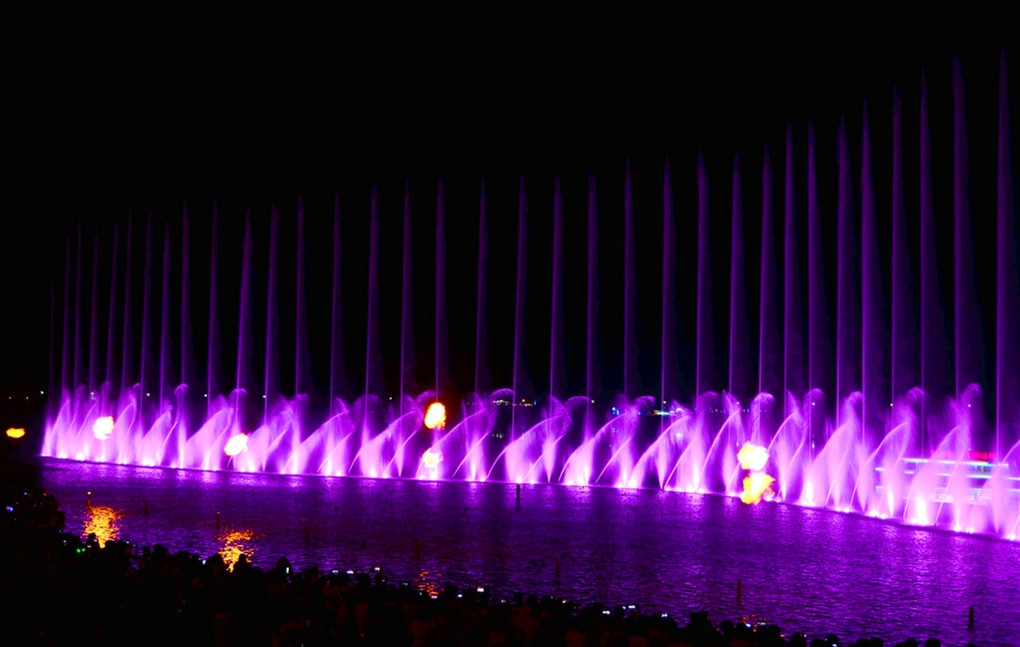
A musical fountain is a captivating installation that synchronizes water movements with music. The result is a dynamic fountain show that can evoke a range of emotions, from excitement to serenity. These shows typically incorporate sophisticated water choreography, where jets of water dance and sway in time with the music. In many cases, colored lights enhance the spectacle, illuminating the water in vibrant hues and adding depth to the performance.
The art of a musical fountain is a seamless fusion of nature, technology, and performance. By aligning fountain design with the rhythm and tone of music, designers can create a mesmerizing experience for audiences of all ages. Whether it’s a small fountain in a local park or a monumental display like the Dubai Fountain or the Bellagio Fountain, musical fountains can transform any space into a center of entertainment and art.
The Role of Musical Fountains in Fountain Art and Landscape Design
Musical fountains are not only visually striking but also serve as an integral part of fountain landscape design. In large cities or tourist destinations, they play a key role in enhancing public spaces and contributing to a vibrant atmosphere. Their carefully curated design, which combines both fountain art and engineering, often becomes the centerpiece of plazas, gardens, and waterfronts.
When designing a musical fountain, several factors come into play:
- Water Choreography: The design of water jets is the heart of the musical fountain. Designers carefully plan the height, direction, and rhythm of the water movements to ensure they are synchronized with the music. These movements can range from subtle ripples to high-flying arcs that capture the attention of all viewers.
- Lighting and Color Effects: Lighting design is crucial to the aesthetic appeal of a musical fountain. Colored lights illuminate the water, adding layers of beauty and dimension to the display. The color scheme and lighting intensity can be adjusted to suit the music, further enhancing the fountain show.
- Sound Systems: The clarity and volume of the music are just as important as the water movements. The sound system must be strategically placed to ensure that the music is evenly distributed across the viewing area, allowing visitors to fully experience the performance.
- Integration with Surroundings: A musical fountain should complement its environment. Whether it’s a landscape fountain in a public park, near a museum, or as part of a resort, the fountain’s design should harmonize with the natural elements, architecture, and overall aesthetic of the space.
The Cultural and Social Impact of Musical Fountains
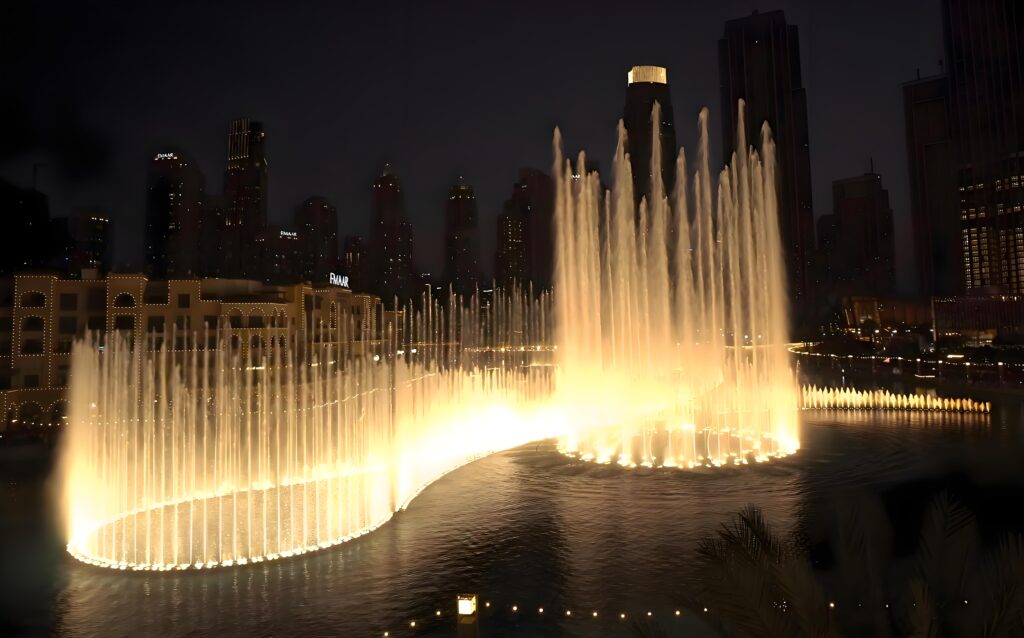
Musical fountains have a cultural significance beyond their entertainment value. As landmarks, they become symbols of a city or region’s creativity, technological innovation, and commitment to public art. For example, the Dubai Fountain, located at the foot of the Burj Khalifa, has become one of the largest and most recognized dancing fountains in the world, drawing millions of visitors annually. Similarly, the Bellagio Fountain in Las Vegas is a defining feature of the city’s iconic entertainment scene.
These fountains often represent a fusion of modern technology with traditional art forms. The synchronization of water and music allows for storytelling, with the fountain acting as both a visual and emotional storyteller. From classical orchestras to contemporary pop music, musical fountains can evoke a wide array of feelings, making them an accessible art form for a diverse audience.
The Future of Fountain Shows: Technology and Innovation
As technology advances, the design possibilities for musical fountains continue to grow. The integration of LED lighting, digital sound systems, and advanced water control mechanisms enables the creation of more complex and intricate fountain shows. Interactive fountains, which allow visitors to influence the water display with their movements, are becoming increasingly popular, adding an element of personal engagement to the experience.
Furthermore, modern fountain design is increasingly focusing on sustainability. Water-saving technologies, energy-efficient lighting, and eco-friendly materials are being incorporated into new fountain designs, ensuring that these artistic installations are environmentally conscious while still offering a captivating experience.
Famous Musical Fountains Around the World
Several fountain shows have captured the imaginations of audiences globally, showcasing the power of water as a medium for artistic expression:
- The Bellagio Fountain(Las Vegas, USA): Perhaps the most famous musical fountain in the world, the Bellagio’s show features more than 1,200 fountains and synchronizes the water movements with classical, opera, and pop music.
- The Dubai Fountain(Dubai, UAE): Located at the base of the Burj Khalifa, this dancing fountain is the largest in the world, featuring over 6,000 lights and 50 music tracks.
- The Magic Fountain of Montjuïc(Barcelona, Spain): This historic fountain, built for the 1929 International Exposition, continues to dazzle audiences with its colorful displays set to a mix of classical and modern music.
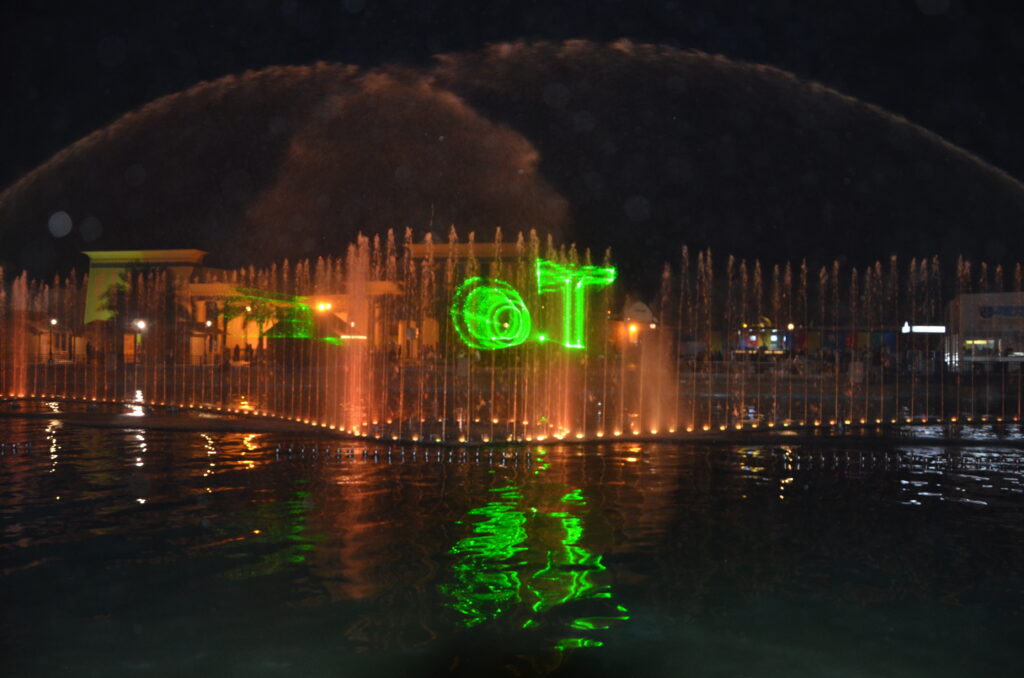
- The Dubai Village Fountain(Dubai, UAE):The 750M Canal fountain is a group of music fountains designed and exported to Dubai by Changsha Himalaya Music Fountain Company in 2018. This water feature fountain comprises multiple unique fountains, each contributing to the breathtaking beauty of Global Village.
Conclusion: A Celebration of Art, Water, and Innovation
The musical fountain is a celebration of the intersection between nature, technology, and art. Whether as a symbol of cultural identity, a source of public entertainment, or a centerpiece of fountain landscape design, these installations continue to captivate and inspire. The art of fountains is more than just water; it’s a dynamic performance, a manifestation of human creativity, and an evolving form of public art that will remain relevant for generations to come.
Incorporating dancing fountains into public spaces elevates not only the aesthetic value of an area but also provides a unique form of engagement that brings people together. As technology progresses, the future of fountain design will undoubtedly continue to push the boundaries of what’s possible, making musical fountains even more mesmerizing and enchanting.

