
News
How To Make A Water Feature for Commercial Purposes?
- 2026-09-30
This guide provides a comprehensive overview of how to design, implement, and maintain water features for commercial environments. It explores the types and functions of water features, their benefits for various business settings, and offers detailed guidance on selecting appropriate designs, understanding cost factors, and managing installation. It also addresses critical considerations such as safety, compliance, and long-term upkeep to ensure that your water feature is both beautiful and practical.
1. What is a Commercial Water Feature?
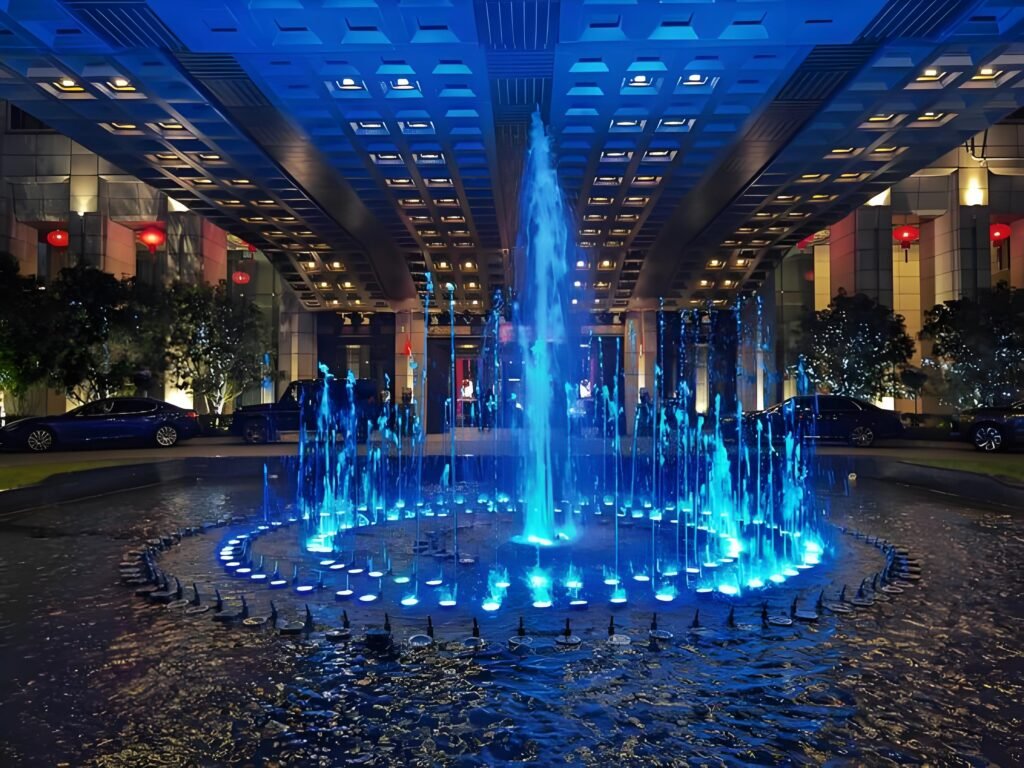
A water feature is a decorative element that incorporates water in motion or stillness, designed to enhance the aesthetic and sensory experience of a space. Examples range from traditional fountains and waterfalls to modern reflecting pools, wall-mounted streams, and digital waterfalls. These installations vary in complexity, from simple self-contained units to large-scale, custom-designed structures with lighting, sound, and interactive elements.
Water features are used both indoors and outdoors and serve multiple purposes: beautifying the environment, creating a tranquil atmosphere, masking noise pollution, and improving air quality. In commercial contexts, they also function as branding tools and focal points that attract attention and improve customer experience.
Examples of commercial venues using water features effectively:
- Shopping malls with central musical fountains
- Boutique hotels with courtyard koi ponds
- Office buildings with vertical wall waterfalls in the lobby
- Resorts with man-made lagoons or cascading falls
- Airports and transport hubs with sleek digital water walls
2.Top Benefits of Water Features in Commercial Spaces
Commercial spaces integrate water features not just for decoration but also for strategic business purposes. Here are key reasons businesses use them:
- Enhancing Brand Identity: High-end hotels, luxury retail stores, and corporate headquarters use custom-designed water features to reflect elegance, innovation, or environmental consciousness.
- Creating Relaxing Environments: Spas, wellness centers, and restaurants leverage water features to promote calmness and relaxation among patrons.
- Attracting Foot Traffic: Interactive or large-scale water displays in malls or public plazas draw crowds, encouraging longer visits and increased spending.
- Masking Unwanted Noise: In busy urban environments, the sound of flowing water can reduce the impact of traffic or machinery noise.
- Environmental Cooling: In hot climates, water features can help cool surrounding air through evaporation, improving comfort for visitors.
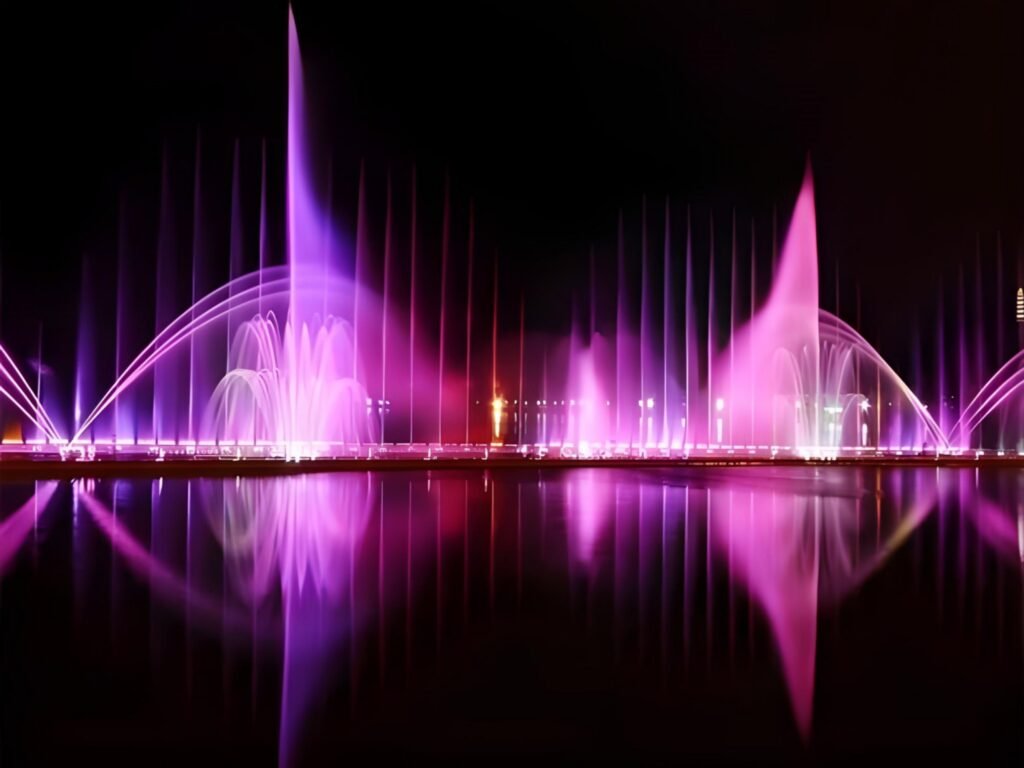
3. Choosing the Right Water Feature by Commercial Venue (Hotels, Malls, Plazas)
Choosing the right water feature depends on space, design goals, and audience. Here are recommended pairings:
Commercial Space | Ideal Water Feature | Considerations |
Hotel Lobby | Wall-mounted waterfall or art fountain | Quiet operation, luxury materials |
Shopping Mall | Central musical fountain | Safety for children, visibility, interactivity |
Office Building | Courtyard reflecting pool | Low maintenance, professional design |
Restaurant Patio | Bubbling pot or small wall fountain | Enhances ambiance, complements dining |
Spa or Wellness Center | Zen-style rock waterfall | Soothing, harmonious with décor |
Resort Garden | Cascading stream with lighting | Natural appearance, nighttime visibility |
Urban Plaza | Dry deck interactive fountain | Safe, fun for kids, low slip risk |
Tailor the feature not only to the aesthetic of the environment but also to its practical function and the behaviors of the people using the space.
4. Commercial Water Feature Cost Breakdown
Water feature costs vary widely based on size, materials, customization, and technology. Below are general estimates:
- Small indoor fountain : $2,000 – $10,000
- Decorative wall water feature $5,000 – $20,000
- Outdoor pond with lighting $10,000 – $25,000
- Medium waterfall feature $15,000 – $40,000
- Interactive dry deck fountain $50,000 – $150,000+
- Musical or choreographed show $100,000 – $500,000+
Additional expenses to consider:
- Infrastructure: Excavation, waterproofing, plumbing, and electrical work
- Automation: Programmable controllers for lighting, music, and water patterns
- Water Management: Pumps, filters, and purification systems
- Permits and Inspections: Local code compliance and safety certification
- Maintenance Contracts: Ongoing costs for cleaning, repairs, and water treatment
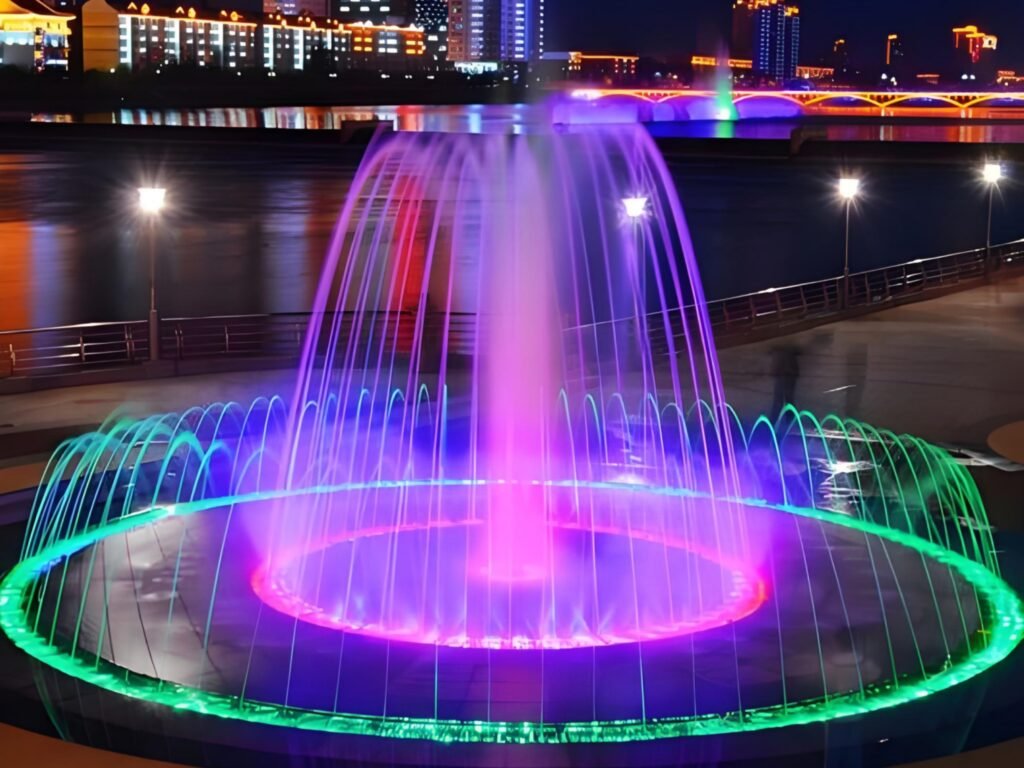
5. Step-by-Step Guide: How to Make a Commercial Water Feature
Follow these steps for planning and implementing a commercial water feature:
- Define Purpose and Function
Is it for visual impact, sound masking, relaxation, or interaction? - Conduct a Site Assessment
Assess space, sunlight exposure, drainage, nearby power sources, and accessibility. - Develop a Conceptual Design
Select style (modern, natural, abstract), layout, and materials (stone, metal, glass, tile). - Technical Planning
Engage landscape architects, engineers, or water feature specialists
Ensure proper hydraulic systems, electrical setup, and water source access - Construction and Installation
Choose experienced contractors with relevant commercial project experience
Monitor progress to meet safety, aesthetic, and functional standards - Testing and Commissioning
Adjust water flow, lighting effects, and filtration performance - Maintenance Plan
Set up regular inspections, seasonal care, and cleaning routines
6. Key Considerations: Safety, Codes, and Maintenance
Before proceeding, address the following critical considerations:
- Local Building Codes and Permits: Ensure all elements meet safety regulations, ADA compliance, and water use permits.
- Water Source and Efficiency: Plan for sustainable usage, reuse systems, or rainwater harvesting.
- Public Safety: Avoid slip hazards, use non-toxic materials, ensure proper lighting at night.
- Durability: Use weather-resistant materials, especially in extreme climates.
- Noise Control: Ensure the sound of water complements the environment and does not disrupt nearby activities.
- Insurance and Liability: Consider potential liability for injury or property damage.
- Emergency Shutoff Systems: Especially important in public or high-traffic areas.
Creating a commercial water feature is a significant investment, but when done well, it becomes a landmark that adds value, enhances branding, and delivers memorable experiences to visitors. With proper planning, budgeting, and professional guidance, businesses can create water installations that serve both form and function beautifully.

